 UK Test Prep guide
How the UK Is Governed: Parliament, Elections and Devolution for the Life in the UK Test
By Muhammad Shahid Khan · · 5 min read
Quick answer
The UK is a parliamentary democracy with a constitutional monarch as head of state. Parliament has two houses: the elected House of Commons, with an MP for each constituency, and the unelected House of Lords. The Prime Minister leads the party that can command the Commons and chooses the Cabinet. General elections are held at least every five years. Scotland, Wales and Northern Ireland have devolved governments.
UK Test PrepCitizenship, ILR & Visa Prep · Free on the App StoreDownload free →| System | Parliamentary democracy, constitutional monarchy |
|---|---|
| Elected house | House of Commons: one MP per constituency |
| Unelected house | House of Lords: life peers, hereditary peers, bishops |
| General elections | At least every five years |
| Voting age | 18 (16 in Scottish Parliament and Welsh Parliament elections) |
| Devolved | Scottish Parliament, Senedd (Wales), Northern Ireland Assembly |
Chapter 5 of the handbook, The UK government, the law and your role, produces a lot of test questions, and many of them are about how Parliament works. It is logical once you see the structure. Here it is, from the monarch down to your local council.
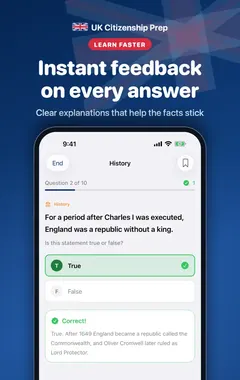
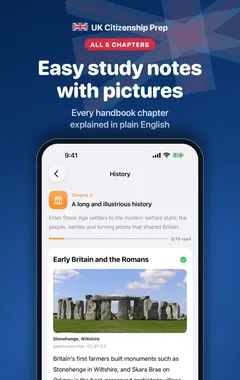
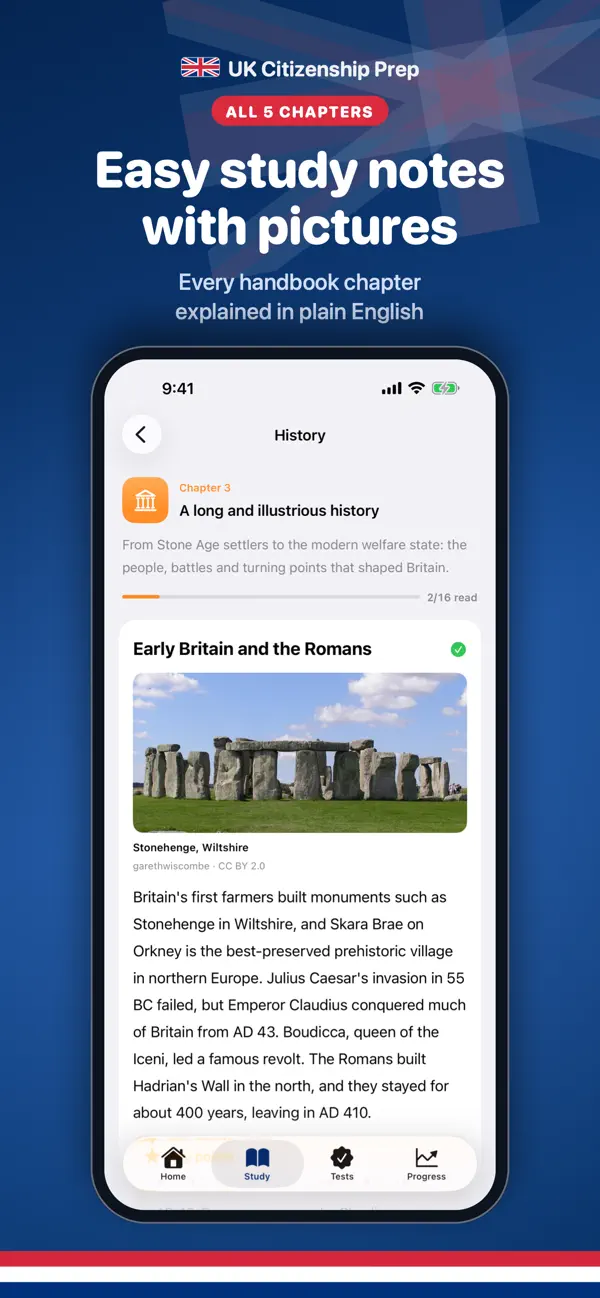
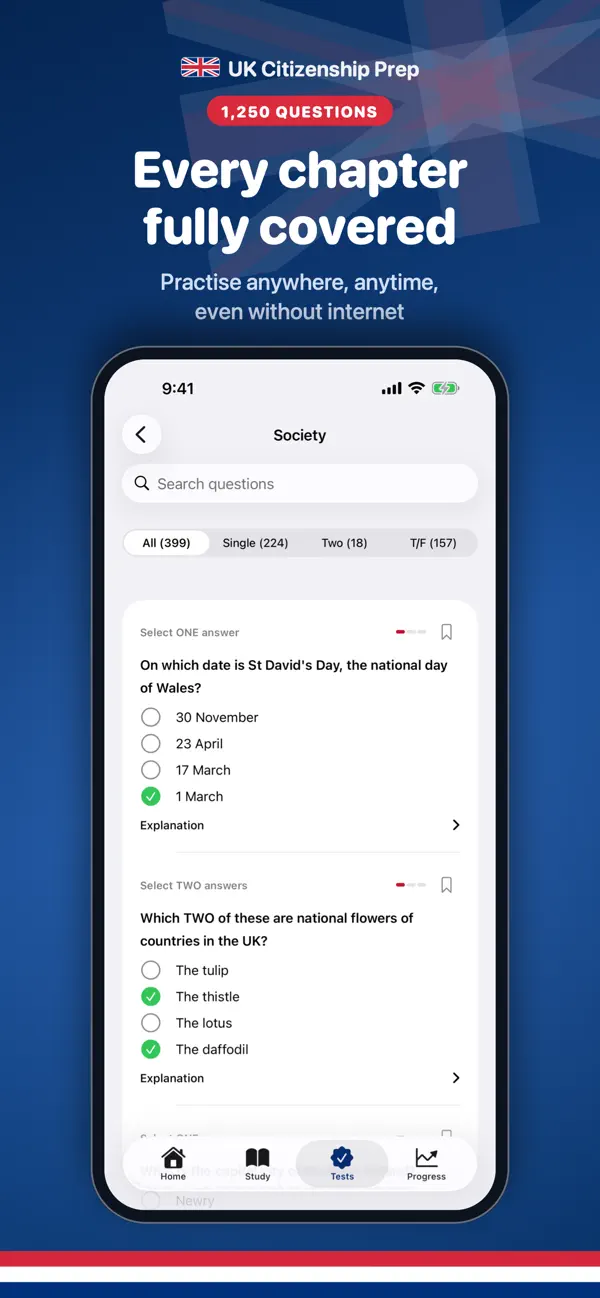
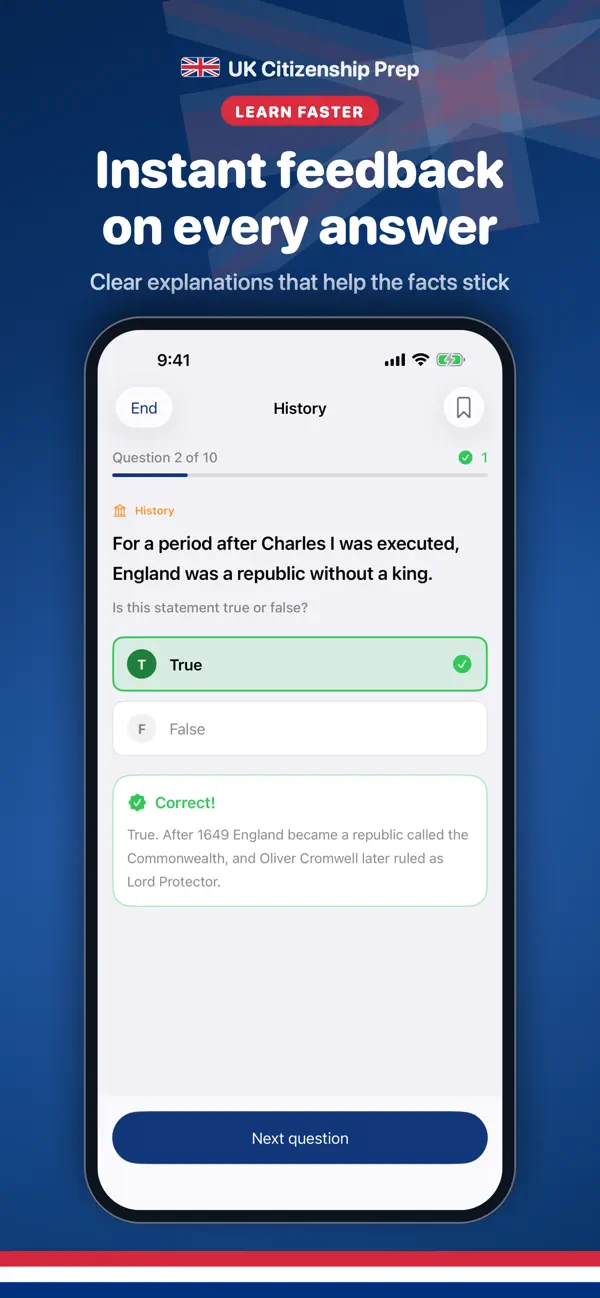
I build UK Test Prep, a free iPhone and iPad app for the Life in the UK test, and the screenshots in this guide come from it. If you want to test yourself as you read, get UK Test Prep on the App Store.
What is a constitutional monarchy?
The UK has a monarch as head of state, but the monarch does not make political decisions. The monarch appoints the Prime Minister, opens each new session of Parliament with a speech written by the government, and gives Royal Assent to new laws. The monarch is also head of the Commonwealth. The UK does not have a single written constitution; its constitution is made up of laws, conventions and court decisions.
How does Parliament work?
| House | Members | Role |
|---|---|---|
| House of Commons | Elected Members of Parliament (MPs), one per constituency | The more important house: makes laws, controls taxes and holds the government to account |
| House of Lords | Not elected: life peers, some hereditary peers, and bishops of the Church of England | Examines and suggests changes to laws, but cannot normally block them |
The Speaker chairs debates in the Commons. The Speaker is an MP, chosen by other MPs, and is politically neutral. Parliament meets in the Palace of Westminster in London.
Who runs the government?
- The Prime Minister is usually the leader of the party with the most MPs. The official home is 10 Downing Street, with a country house at Chequers.
- The Cabinet is a group of about 20 senior MPs chosen by the Prime Minister, including the Chancellor of the Exchequer (economy), the Home Secretary (crime, policing and immigration) and the Foreign Secretary.
- The Opposition is the second-largest party. Its leader is the Leader of the Opposition, who appoints a Shadow Cabinet.
- Whips make sure party MPs attend and vote.
- The civil service carries out government policy and is politically neutral.
How do UK elections work?
- General elections are held at least every five years. Each constituency elects one MP; the candidate with the most votes wins (first past the post).
- If an MP dies or resigns, a by-election is held.
- To vote you must be on the electoral register. UK citizens, qualifying Commonwealth citizens and citizens of the Irish Republic resident in the UK can vote in general elections.
- The voting age is 18, or 16 for Scottish Parliament and Welsh Parliament elections.
- Voting is in a polling station, in secret, or by post.
- People also elect local councillors and, in England and Wales, Police and Crime Commissioners.
What are the devolved governments?
| Nation | Body | Based in |
|---|---|---|
| Scotland | Scottish Parliament (since 1999) | Edinburgh (Holyrood) |
| Wales | Senedd, the Welsh Parliament (created in 1999 as the National Assembly for Wales) | Cardiff |
| Northern Ireland | Northern Ireland Assembly (1998, after the Good Friday Agreement) | Belfast (Stormont) |
Devolved bodies make laws on matters such as health, education and transport. Defence, foreign affairs and immigration stay with the UK Parliament. Membership numbers have changed since the handbook was written, so learn the figures the handbook gives for the test, and check GOV.UK for today's numbers.
What else does the test ask about government?
- The Commonwealth: a voluntary association of countries, most of them once part of the British Empire.
- International bodies: the UK is a permanent member of the UN Security Council and a member of NATO.
- How to contact your MP: by letter, phone, email, or at a surgery in the constituency.
For the courts and your legal rights, see UK courts and the law. For which voting dates people mix up, see the hardest Life in the UK test topics.
How UK Test Prep helps
- 1,250 original practice questions across all five handbook chapters, each with an explanation.
- 46 study note sections written from the official handbook.
- 307 flashcards for the dates, people and facts that need memorising.
- A realistic mock exam: 24 questions, a 45-minute timer and the 18-mark pass line.
- A weak-areas list, readiness score, streaks and progress by chapter.
- Works fully offline, with no account. Every feature is free; an optional purchase removes ads.
Download UK Test Prep free on the App Store and pass the Life in the UK test first time. UK Test Prep is independent and not affiliated with the UK Government or the Home Office.
Frequently asked questions
What type of government does the UK have?
A parliamentary democracy with a constitutional monarch as head of state.
What are the two houses of Parliament?
The House of Commons, whose MPs are elected, and the House of Lords, whose members are not elected.
Who sits in the House of Lords?
Life peers, some hereditary peers, and bishops of the Church of England.
What does the Speaker do?
Chairs debates in the House of Commons and keeps order. The Speaker is an MP chosen by other MPs and is politically neutral.
How often are general elections held?
At least every five years.
What is the voting age in the UK?
18 for UK Parliament elections. 16 for Scottish Parliament and Welsh Parliament elections.
Who can vote in UK general elections?
UK citizens, qualifying Commonwealth citizens and citizens of the Irish Republic resident in the UK, who are on the electoral register.
What is the Cabinet?
A group of about 20 senior MPs chosen by the Prime Minister, including the Chancellor, the Home Secretary and the Foreign Secretary.
What does the Leader of the Opposition do?
Leads the second-largest party and appoints a Shadow Cabinet to challenge the government.
Where is the Scottish Parliament?
In Edinburgh, at Holyrood.
What is the role of the monarch?
Head of state: appoints the Prime Minister, opens Parliament and gives Royal Assent to laws, but does not make political decisions.
Does UK Test Prep cover the government chapter?
Yes. It has study notes, practice questions and flashcards for every handbook chapter, including government and the law.
UK Test PrepDownload free